
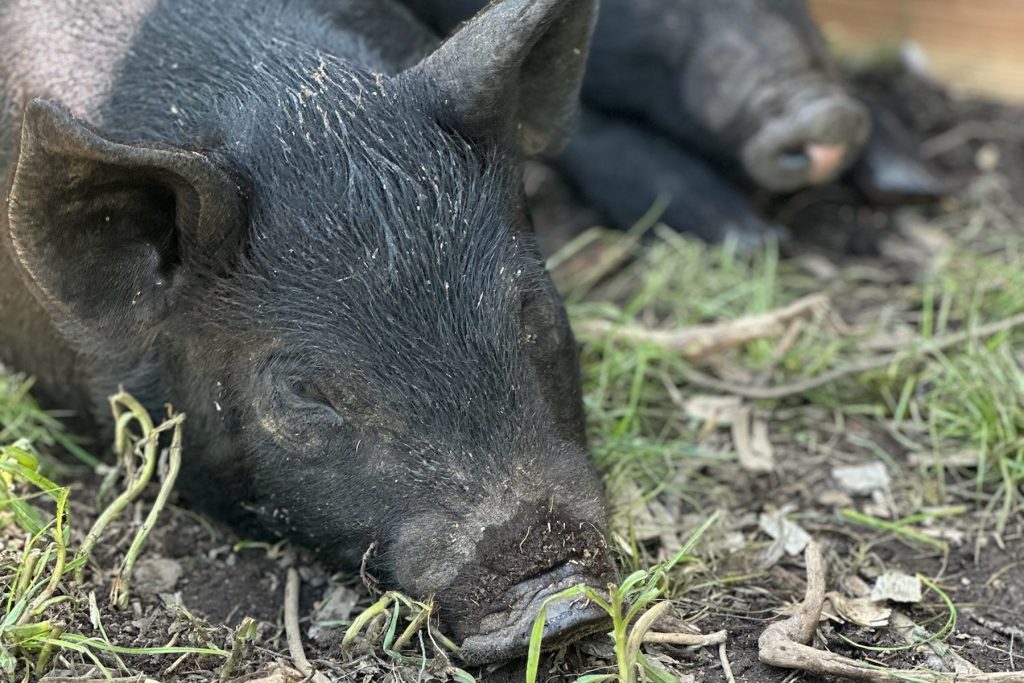
Our latest project for Tournesol Farms began with four pigs headed to a USDA-inspected processor and a long list of decisions. It ended with cut sheets, inventory planning, customer order documents, and a live pork pre-order system built around the way the farm actually operates.
This is a companion to our earlier ChickID project with Tournesol Farms, but at a different layer of the business. ChickID was a public-facing identification tool. This project was operational: planning the batch, organizing the inventory, creating the customer workflow, and making sure the farm could manage orders without forcing the work into a generic e-commerce platform.
The starting point: four pigs and a lot of decisions
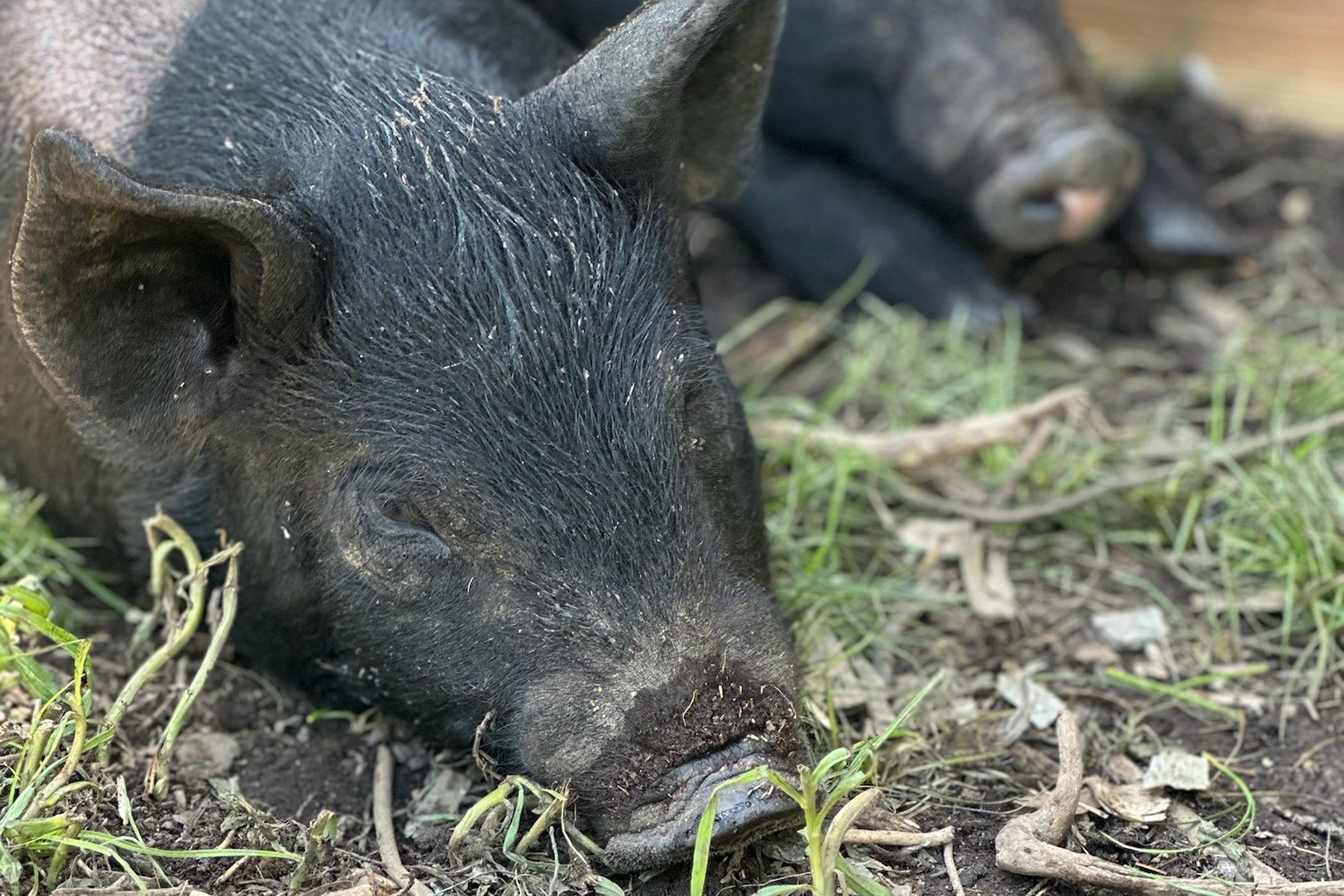
Tournesol had four pigs headed to USDA-inspected processing.
That sounds simple until you start working through the details.
How should each pig be cut? Which cuts should be packaged for retail customers? Which should be held back for restaurant buyers? What should happen with bellies, ribs, fat, organs, trotters, and heads? What should be sold fresh? What could be sold under the processor’s inspection, labeling, and resale arrangements? What would customers understand? What would the processor need clearly written down?
Without a plan, it is easy for livestock to come back from the processor as a pile of freezer meat rather than an organized product line.
The first job was not to build software.
The first job was to think.
Working through the cut strategy
David Norton Consulting guided the planning process, organized the requirements, and used AI as a support layer while we worked through the cut strategy, inventory assumptions, customer language, and operational constraints.
Instead of treating all four pigs the same, we developed a differentiated strategy for the batch: retail cuts, restaurant-friendly cuts, belly and rib emphasis, and value-added use where appropriate.
That plan changed as real information came in. One important discovery was that two of the pigs were Mangalitsa, a heritage lard breed. That changed how certain products needed to be described and priced. Belly, jowl, leaf lard, and back fat are not just generic pork items when the breed itself changes the value of the product.
Under the processing and labeling options available for this batch, certain smoked or cured products, including conventional retail bacon and ham, could not be offered for resale. That meant the product list had to stay grounded in what could actually be processed, labeled, and sold from this batch.
There were also values-based decisions. Tournesol wanted a whole-animal approach: organs saved, trotters and heads accounted for, fat treated as useful, and natural casings considered rather than discarded. The plan was not simply about maximizing revenue. It was about respecting the animal and making thoughtful use of the whole pig.
Turning the plan into working documents
The planning process produced three working documents:
- A butcher cut sheet with pig-by-pig instructions for the processor
- A customer-facing order form with cuts organized in a way normal buyers could understand
- An internal inventory and cost-analysis tracker to estimate yield, pricing, and sellable product
Those documents had to absorb new information quickly. The breed mix changed the pricing model. The processor options changed the product list. A restaurant request changed how some fat should be packaged. The zero-waste goals changed what needed to be explicitly requested back from the processor.
That is the useful part of AI-supported planning. It gives the work structure, but the human decisions still matter. David Norton Consulting used that structure to turn scattered requirements into documents the farm, processor, and customers could actually use.
From PDF to live ordering system
The customer order form did not stay a PDF.
Once the product list, categories, pricing, and inventory assumptions were clear, we turned the approved plan into a custom WordPress pre-order system for Tournesol Farms.
The result is an online pre-order page where customers can create an account, review available cuts, and place an order request. Behind the scenes, the farm has admin tools to review orders, manage inventory, update availability, and keep track of customer accounts without implementing a full e-commerce platform.
Instead of collecting requests through scattered messages, emails, spreadsheets, and handwritten notes, Tournesol now has one customer ordering workflow and one administrative view of available inventory.
This was not a generic store dropped onto a website. It was a focused operational system built around the way this specific farm needed to sell this specific batch of pork: organize available cuts, avoid accepting more orders than available inventory, review customer orders in one place, update availability, and receive reliable order notifications.
Making sure the operational plumbing works
A system like this is only useful if the practical details work. For a pre-order system, that includes customer accounts, inventory handling, admin visibility, and reliable notifications when an order comes in.
We configured the email notification path so order alerts would land correctly through Microsoft 365 rather than getting lost to spam filtering. That work is not glamorous, but it matters. A small farm does not need a beautiful form that quietly fails. It needs a system that tells the right people when a customer has raised their hand.
That is often where practical software projects succeed or fail: not in the headline feature, but in the operational plumbing.
Launch is the beginning, not the end
After launch, David Norton Consulting refined the system as real usage revealed small issues and needed adjustments.
That is normal. A working system creates feedback. Feedback creates better systems. The goal is not to pretend the first version is final; it is to get something real into use, watch it carefully, and improve it quickly.
For Tournesol, that meant the pork pre-order system could move from planning document to live customer workflow without losing the farm-specific decisions that made the plan valuable.
The marketing came from the real farm, too
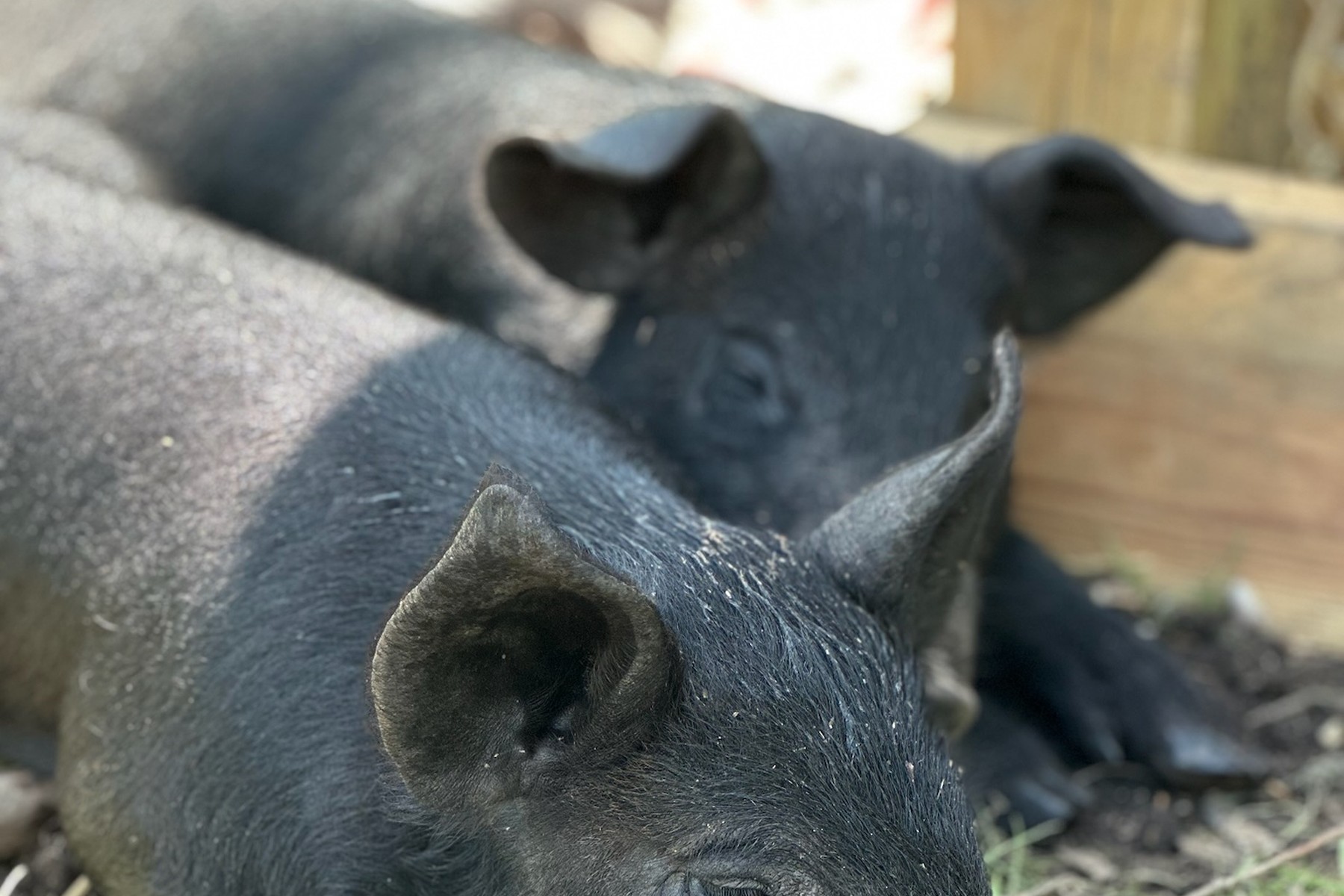
The same principle carried into the public-facing marketing. Tournesol was not working from stock photos or generic farm imagery. The farm’s own Facebook post and supporting materials came from real pictures and video of the actual pigs in this batch — the same animals behind the cut sheets, inventory plan, and ordering system.
Good marketing makes the real thing easier to see. In this case, the photos and video gave customers the farm-level context behind the pre-order page: these were not anonymous products in a catalog, but animals raised by a specific farm, in a specific place, with a specific story.
A connected workflow, not a gimmick
The most interesting part of this project was the connection between planning, documentation, software, notifications, and marketing. AI supported the planning, pricing analysis, cut strategy, documentation, and development process. Human judgment stayed in the loop the entire time: deciding what the farm actually wanted, what the processor could actually do, what customers needed to understand, and what kind of buying experience made sense.
That is the model we believe in at David Norton Consulting: AI as support for real planning and implementation work, not a replacement for the judgment a small business already brings to the table.
Building something practical like this?
If your business is still coordinating an important workflow through spreadsheets, PDFs, text messages, email, or institutional memory, that’s exactly the gap this project closed for Tournesol — cut sheets and order forms that used to live in scattered documents now run as one connected system the farm can actually manage.
The right answer is not always a giant platform. Contact David Norton Consulting and let’s talk about what yours could look like.
Built by David Norton Consulting for Tournesol Farms.